Healthcare
Cerebro Dynamics builds the data fabric that allows national and institutional health systems to coordinate care, surveillance, and research.
Understanding this sector in plain words.
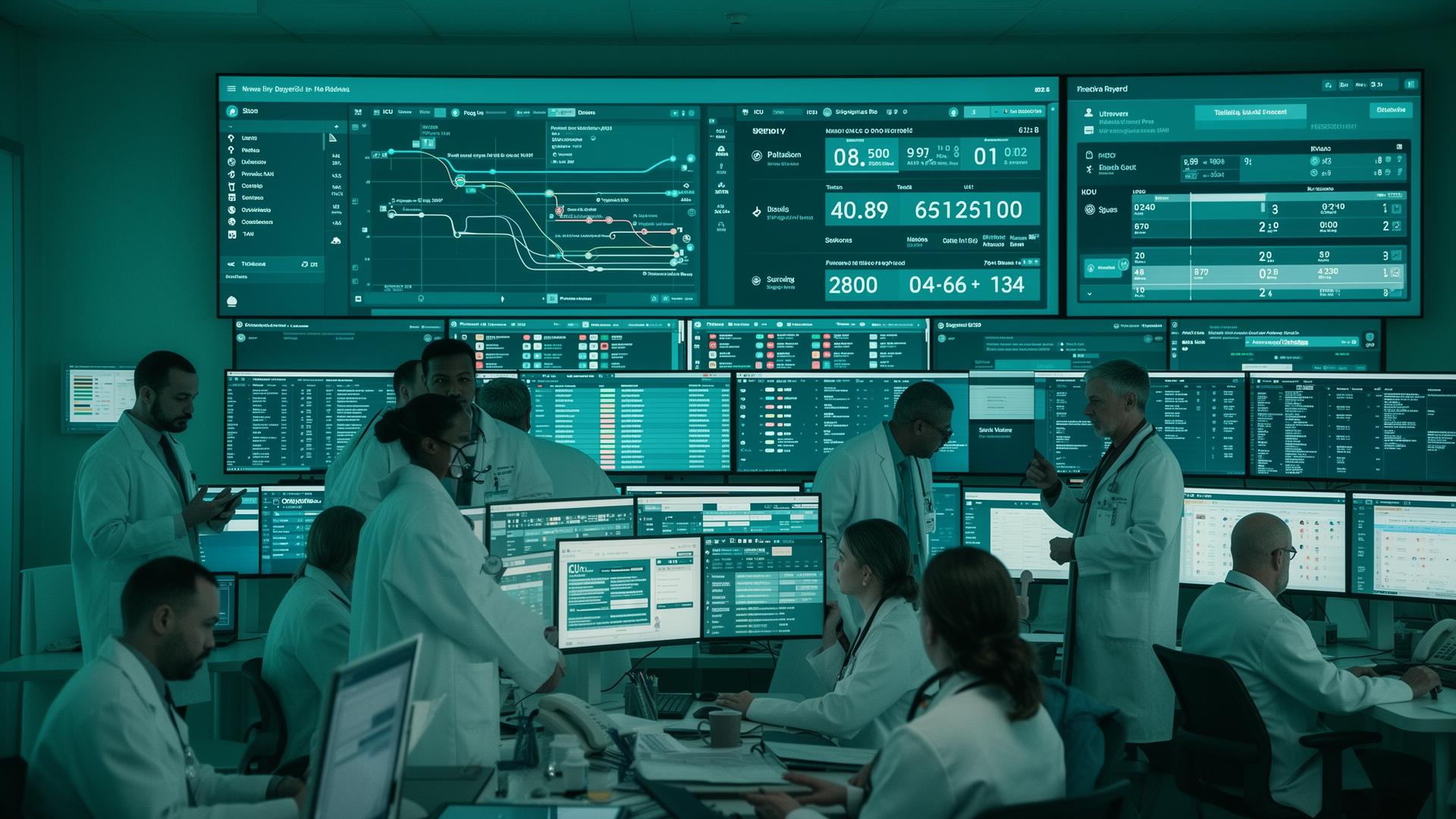
We connect hospitals, neighborhood clinics, and national medical warehouses so that doctors can view patient histories easily, disease outbreaks are spotted right away, and essential medicines never run out.
What is at stake.
National healthcare systems must coordinate patient care across urban teaching hospitals and remote rural clinics, monitor infectious diseases, and manage cold storage for vital medicines. When computer systems do not communicate, patients carry crumpled paper records between clinics, outbreaks spread undetected for weeks, and rural dispensaries run out of essential antibiotics. Cerebro Dynamics connects healthcare facilities into a single privacy-first network, giving doctors, nurses, and health ministers the tools to deliver timely care.
What we hear from operators.
- 01Records that do not travel with patients
- 02Surveillance signals trapped in disconnected systems
- 03Supply chain blind spots in cold chain and logistics
- 04Clinical research isolated from real-world evidence
How teams work together on the platform.
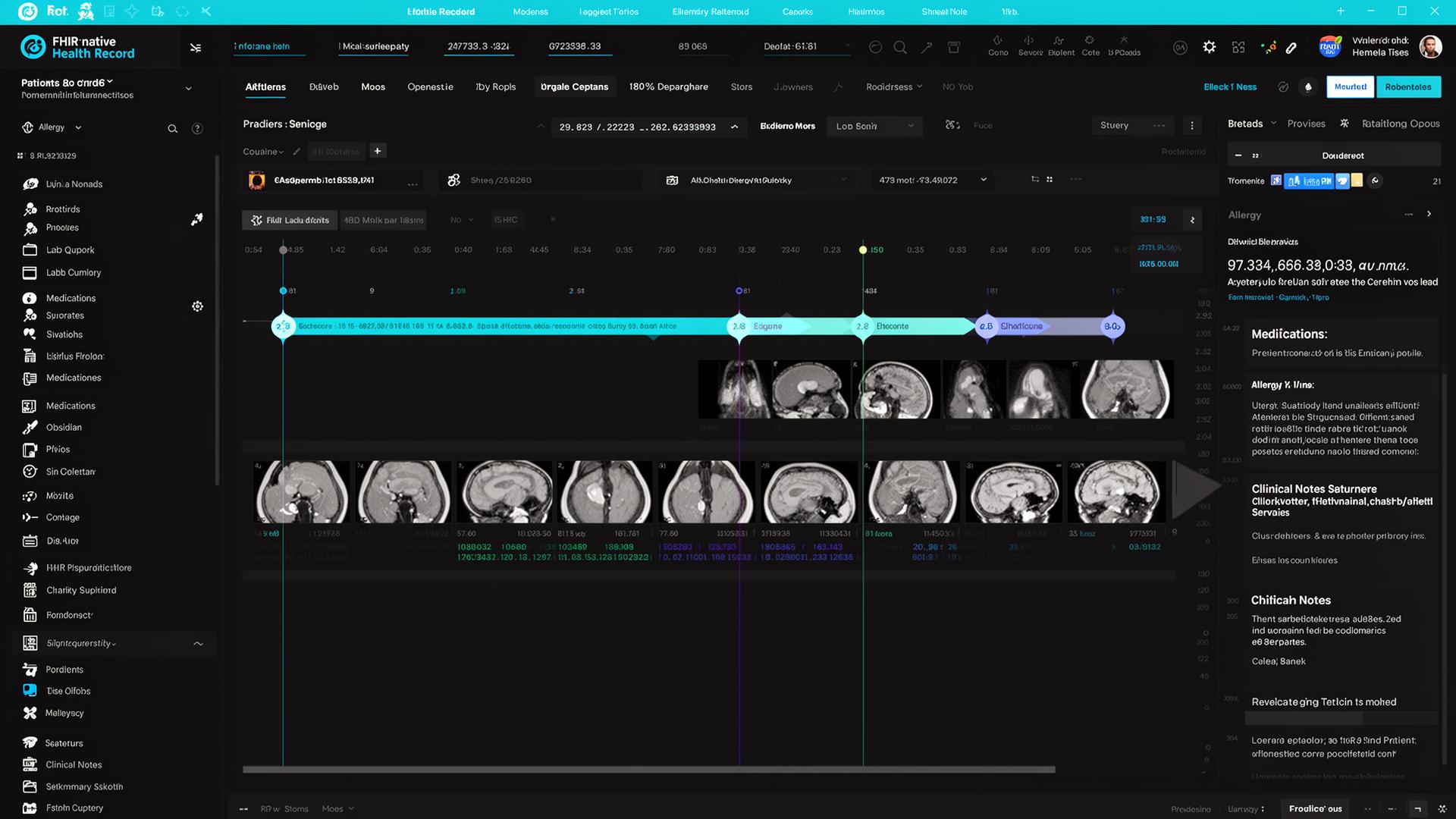
Converts clinic visit logs, laboratory results, and pharmacy prescriptions into standardized digital medical histories.
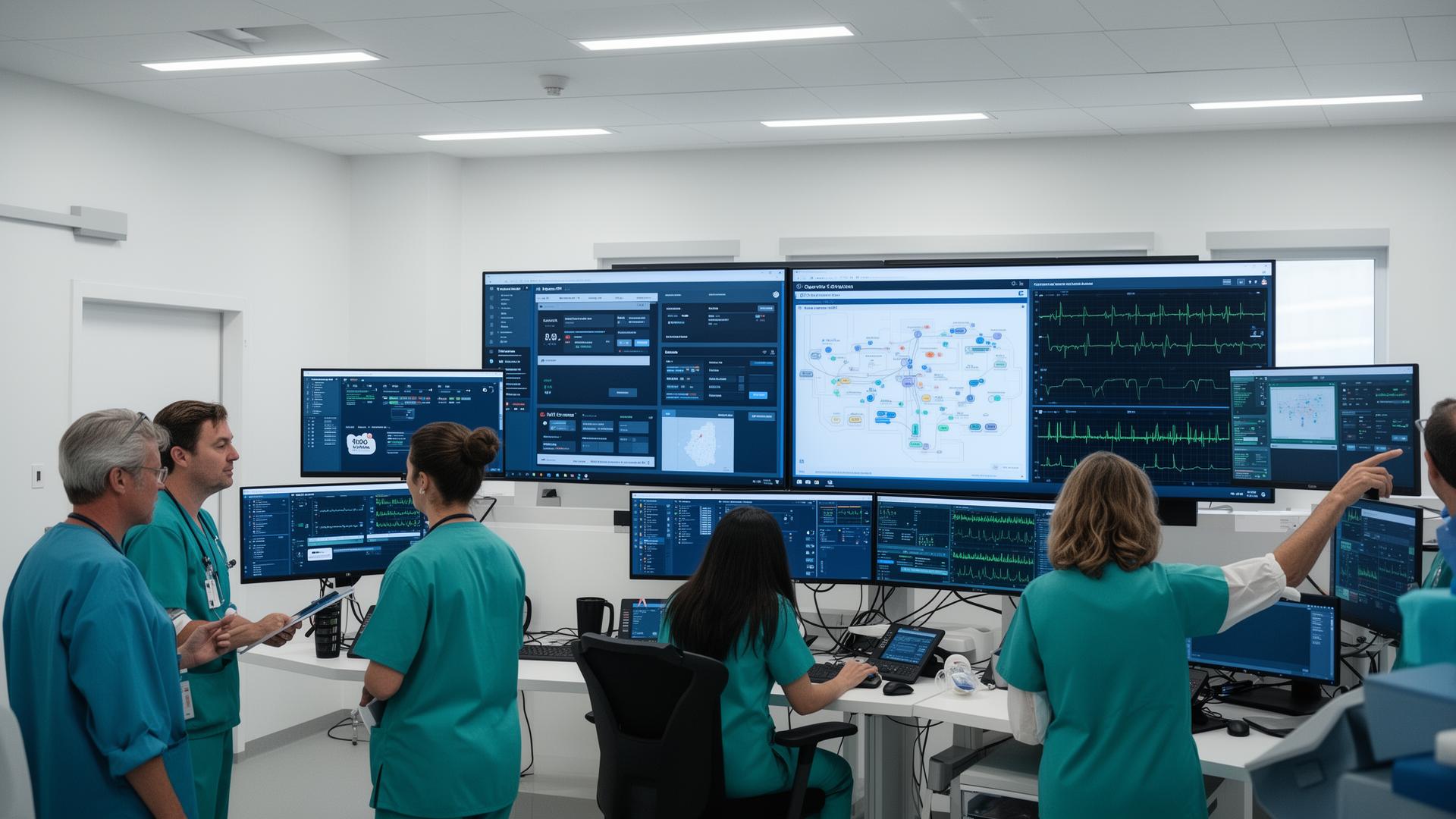
Scans daily patient symptoms across clinics to spot unusual clusters of fever, cough, or waterborne illness immediately.
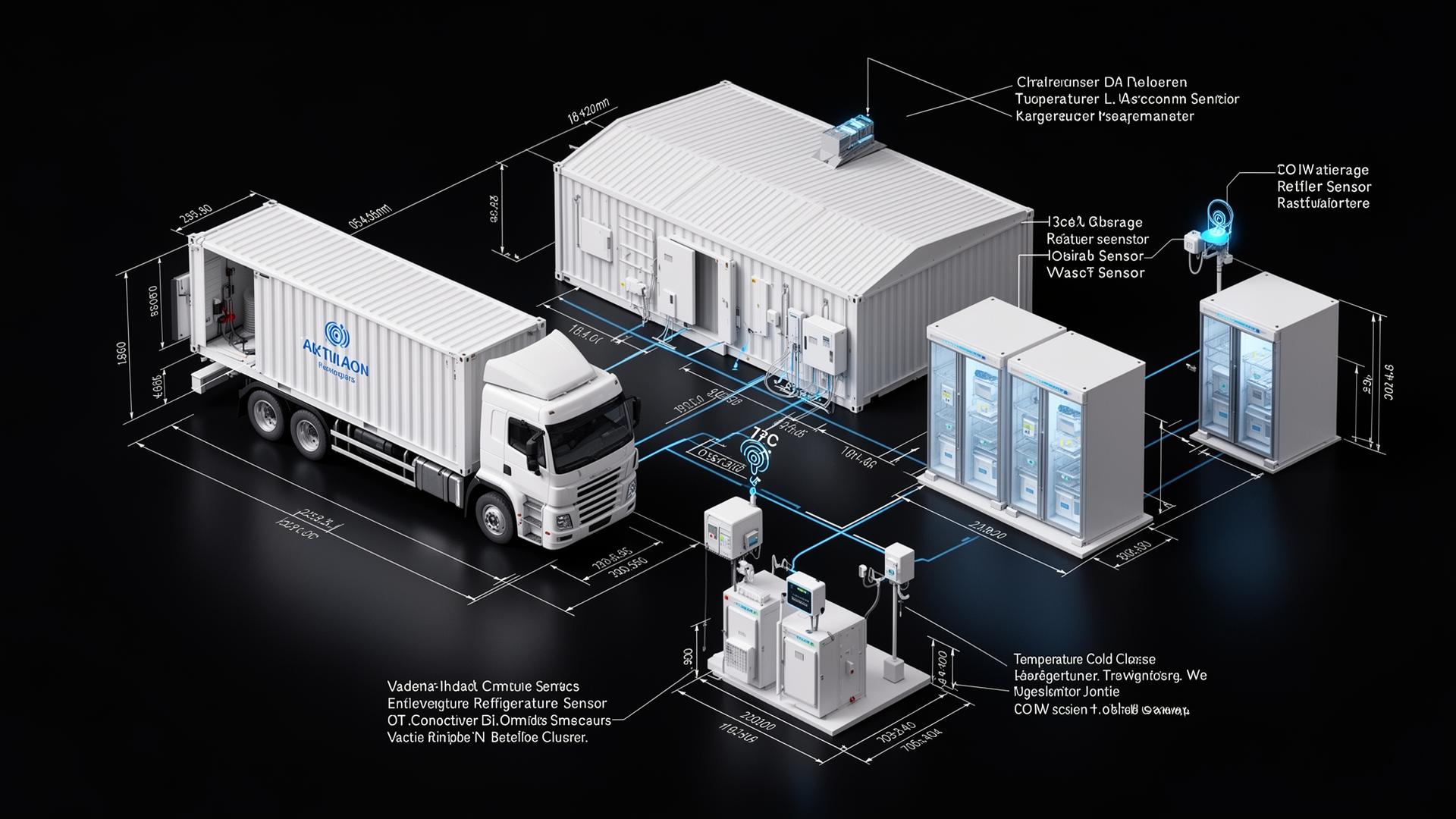
Monitors medicine storage temperatures and warehouse stock levels to prevent expiration and rural stockouts.
Directs medical staff, vaccines, and emergency supplies directly to communities facing emerging health threats.
How we engage.
An interoperable record and surveillance platform with privacy by design and policy-based access.
Real-world operational deployment.
Eliminating Antibiotic Stockouts in Rural District Clinics
Patients in rural health dispensaries were frequently turned away because basic malaria treatments and antibiotics were out of stock, despite surpluses at central warehouses.
The Health Platform connected pharmacy registers and district distribution centers with mobile inventory scanning.
Warehouse dispatchers received automatic replenishment alerts five days before stocks depleted, cutting district medicine stockout rates from thirty-two percent to less than two percent.
What deployment delivers.
What leaders ask before starting.
Systems, operations, hardware.