
Defense Platform
Common operating fabric for defense and security operations.
How this platform works in everyday language.
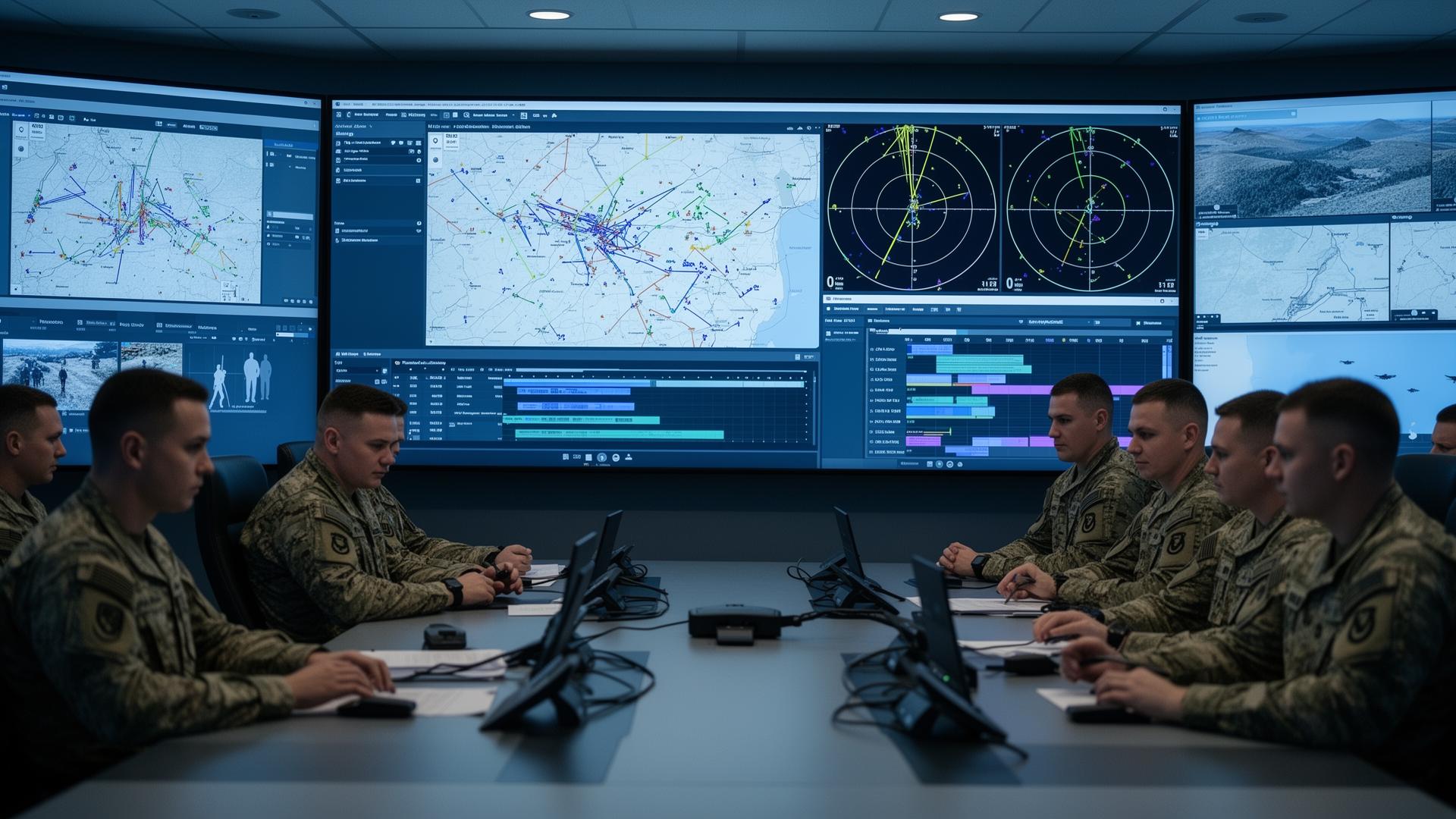
Modern defense forces must protect borders, maritime coasts, and critical infrastructure against unconventional threats. Yet army units, navies, air forces, and intelligence services often look at completely different computer systems. Orders get delayed and commanders lack a single, reliable picture of what is happening on the ground. Cerebro Dynamics Defense fuses radar, drone video, coastal sensors, vehicle GPS trackers, and field radio reports onto one unified tactical map. Commanders and unit leaders can see friendly forces, track threats, and dispatch supplies safely and rapidly.
What this platform addresses.
Defense organizations operate across legacy systems, multiple domains, and partner forces, with limited shared situational awareness. Cerebro Dynamics Defense provides one operating fabric across the kill chain and the support chain.
Who uses this platform in daily work.
Directs combined army and air patrols using a single live operational picture that updates every three seconds.
Tracks suspicious vessels, illegal fishing trawlers, and piracy threats across thousands of miles of coastal waters.
Monitors ammunition, fuel, spare parts, and medical supply readiness across all border garrisons.
Receives secure digital mission updates and shares reconnaissance markers from rugged vehicle computers.
How the system is built.
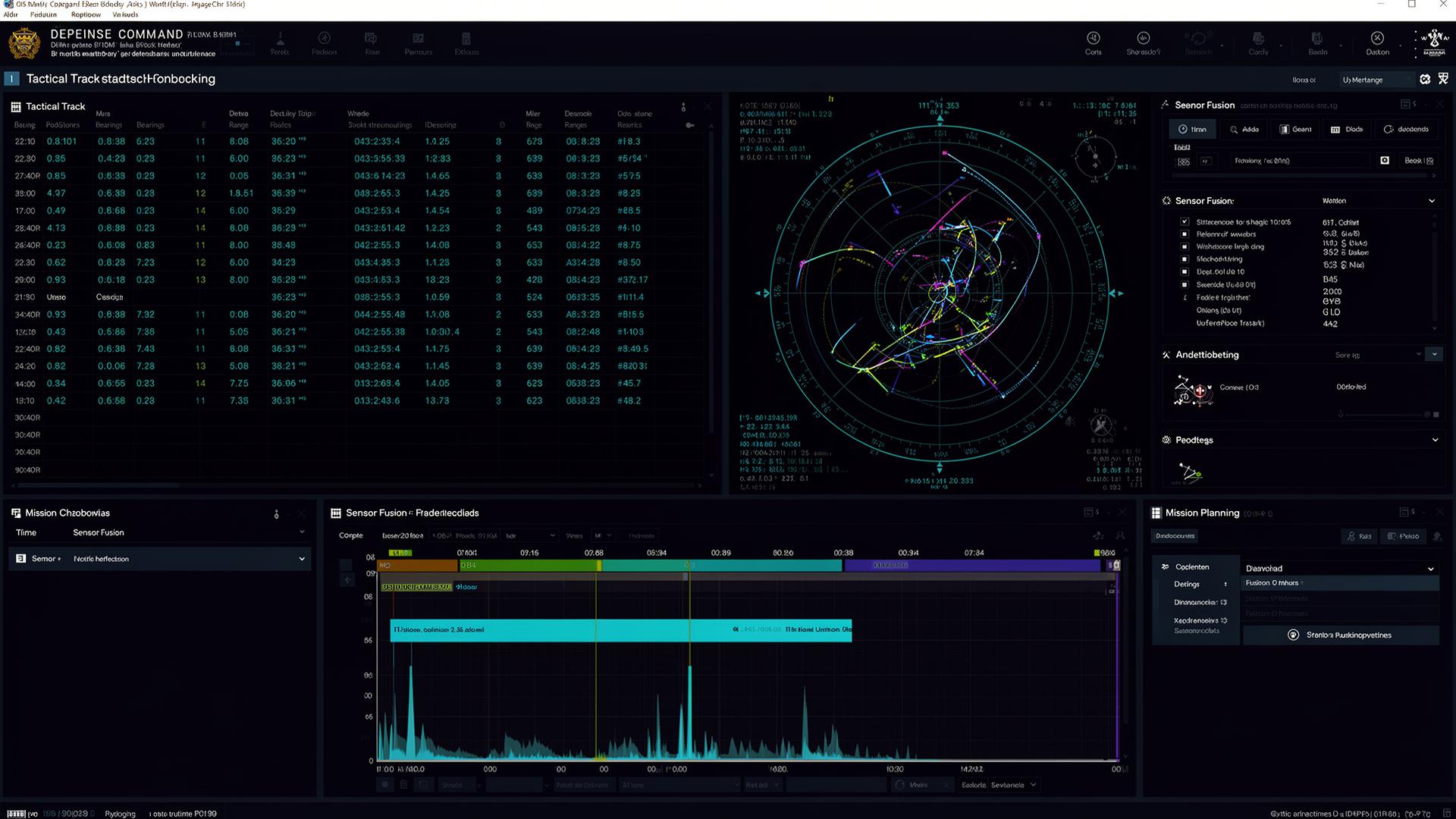
Multi-domain operational picture with sensor fusion, mission planning, logistics, and resilient communications fabric across edge, tactical, and strategic tiers.
What ships in the platform.
Common operating picture across services and partners.
Plan, rehearse, and dispatch with terrain and ISR fused.
Force, fleet, and supply readiness in one view.
Strict release control across partner tenants.
What it does.
- 01Sensor and signal fusion (ISR)
- 02Common operational picture (COP)
- 03Mission planning and rehearsal
- 04Logistics and readiness analytics
- 05Coalition data sharing
- 06Cyber-physical resilience under stress
Real-world operational examples.
Protecting Maritime Waters in the Gulf of Guinea
Illegal industrial fishing fleets routinely turned off their transponders at night to plunder coastal fishing reserves.
The Defense Platform fused civilian AIS tracking with satellite radar and coastal patrol boat telemetry. When a vessel turned off its tracking beacon, the platform flagged the dark ship anomaly and routed the nearest patrol boat to intercept it, protecting vital fish stocks.
Coordinated Anti-Poaching and Border Protection
Poaching rings used remote border corridors between two neighboring national parks, exploiting lack of communication between separate ranger units and military patrols.
Both teams adopted the Common Operating Picture on battery-powered edge tablets. When motion sensors detected border breaches, both rangers and border units coordinated their positions in real time, apprehending the smugglers safely.
A typical operating loop.
A planner integrates intelligence, terrain, logistics, and force readiness into a single mission view, then exports orders to executing units across services and partners.
Data model.
Real-time sensor, signal, and logistics data with full classification handling and coalition release control.
Posture.
Classification-aware, integrity-first, and resilient under contested and degraded conditions.
DeploymentAir-gapped, tactical edge, or sovereign cloud depending on mission.
What operators ask before deployment.
Where it is deployed.
- Defense and Security
- Government